19.5 C
Jammu
Wednesday, October 28, 2026

Srinagar Sees Coldest Night This Winter at -2.1°C

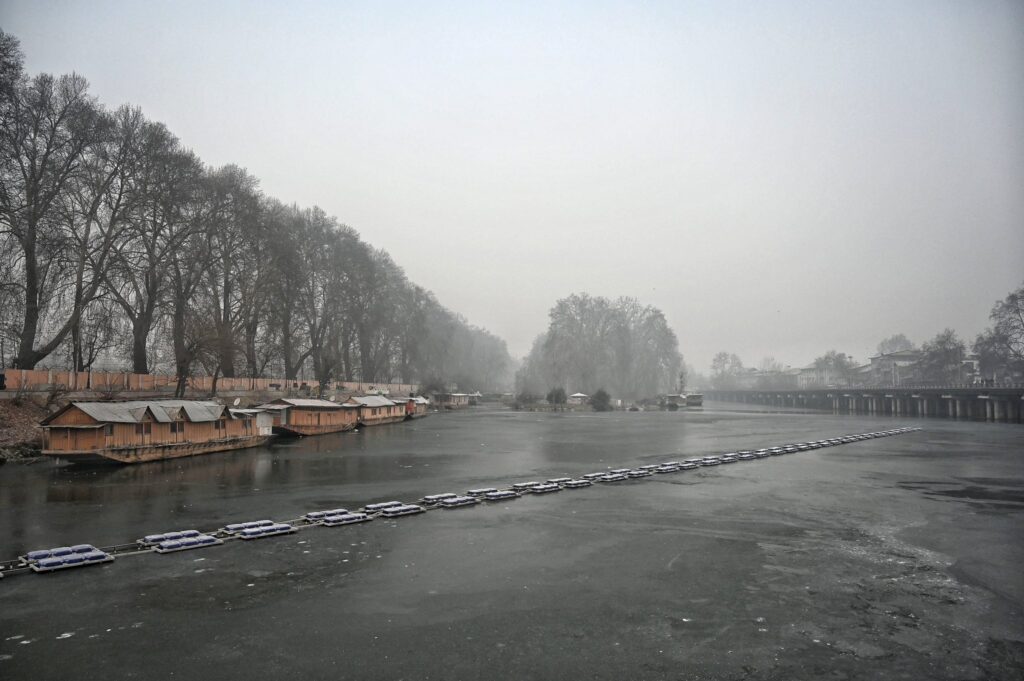
Srinagar, the summer capital of Jammu and Kashmir, has experienced its coldest night of the winter as temperatures plummeted to -2.1°C, according to the Meteorological (MeT) Department. This dramatic drop marks a significant shift in weather patterns across the region.

The coldest location in the Kashmir Valley was Pahalgam, where temperatures dipped even lower, reaching -3.8°C. This severe chill underscores the approaching harsh winter conditions facing the residents.

Dr. Mukhtar Ahmad, the Director of the MeT, stated, “There is no forecast for any wet spell over the next week, and night temperatures are expected to remain stable until November 17.” He indicated the possible relief for the community, suggesting that a slight increase in night temperatures might occur for a brief period after November 17.

The dramatic decline in temperature has led to frost formation in various parts of Srinagar and the surrounding Valley, particularly during the early morning hours. Residents have noted the icy grip of winter setting in, with blankets and heaters becoming essential for comfort.

The region’s chilly embrace not only calls for preparations among locals but also attracts tourists who seek the beauty of winter in Kashmir. Visitors can expect stunning landscapes adorned with frost, enhancing the region’s charm.

As winter progresses, it is crucial for residents, especially those vulnerable to extreme cold, to pay attention to health advisories. With the ongoing cold snap, awareness regarding hypothermia and frostbite is vital.

The Met Department encourages locals to stay updated on weather forecasts. Residents may need to adjust their routines to accommodate the long, cold nights ahead.

Overall, Srinagar’s recent weather patterns reflect a typical yet increasingly pronounced winter climate. The below-freezing temperatures signal not just the arrival of winter, but also the resilience of its people as they prepare to adapt to new challenges.

Related Articles

- Advertisement -spot_img

Latest Articles

Srinagar Sees Coldest Night This Winter at -2.1°C

Srinagar, the summer capital of Jammu and Kashmir, has experienced its coldest night of the winter as temperatures plummeted to -2.1°C, according to the Meteorological (MeT) Department. This dramatic drop marks a significant shift in weather patterns across the region.

The coldest location in the Kashmir Valley was Pahalgam, where temperatures dipped even lower, reaching -3.8°C. This severe chill underscores the approaching harsh winter conditions facing the residents.

Dr. Mukhtar Ahmad, the Director of the MeT, stated, “There is no forecast for any wet spell over the next week, and night temperatures are expected to remain stable until November 17.” He indicated the possible relief for the community, suggesting that a slight increase in night temperatures might occur for a brief period after November 17.

The dramatic decline in temperature has led to frost formation in various parts of Srinagar and the surrounding Valley, particularly during the early morning hours. Residents have noted the icy grip of winter setting in, with blankets and heaters becoming essential for comfort.

The region’s chilly embrace not only calls for preparations among locals but also attracts tourists who seek the beauty of winter in Kashmir. Visitors can expect stunning landscapes adorned with frost, enhancing the region’s charm.

As winter progresses, it is crucial for residents, especially those vulnerable to extreme cold, to pay attention to health advisories. With the ongoing cold snap, awareness regarding hypothermia and frostbite is vital.

The Met Department encourages locals to stay updated on weather forecasts. Residents may need to adjust their routines to accommodate the long, cold nights ahead.

Overall, Srinagar’s recent weather patterns reflect a typical yet increasingly pronounced winter climate. The below-freezing temperatures signal not just the arrival of winter, but also the resilience of its people as they prepare to adapt to new challenges.

Related Articles

- Advertisement -spot_img

Latest Articles